The Perfect Beige Kitchen: A Designer’s Guide to Timeless Elegance
Beige gets dismissed, but the right beige is the calmest backdrop a kitchen can have. I vary the finish and add one real texture so the room does not read as flat.
After designing hundreds of kitchens, I’ve learned that beige is far from boring – it’s actually a superstar of kitchen design.
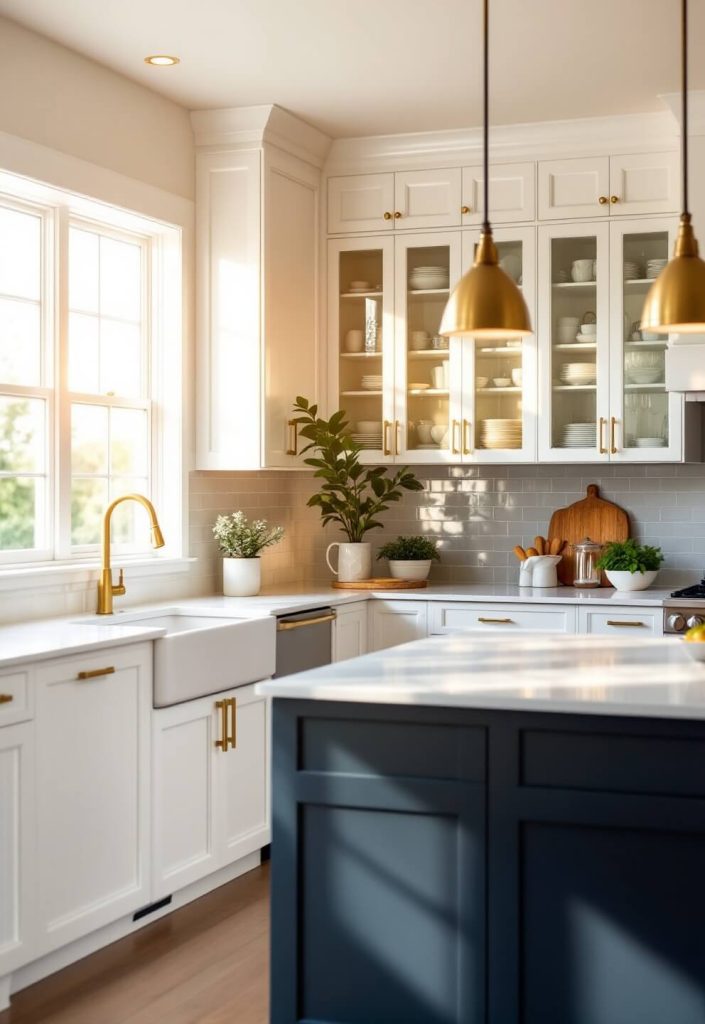
🏠 Steal This Look
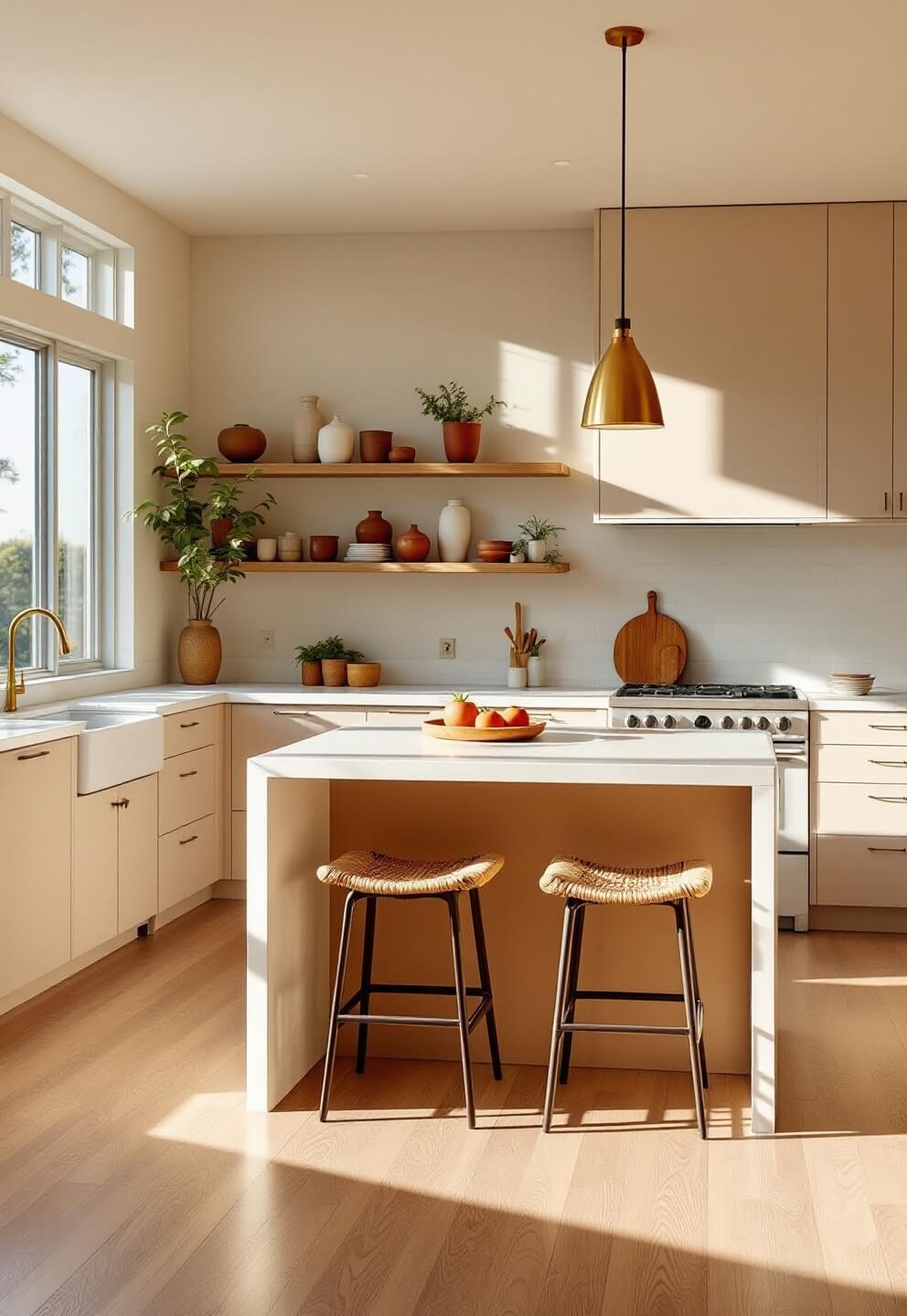
- Paint Color: Sherwin-Williams Accessible Beige SW 7036
- Furniture: Light wood kitchen island with beige or cream cabinetry, open shelving with warm wood tones, beige upholstered bar stools with nailhead trim
- Lighting: Warm brass or brushed gold pendant lights over island, recessed warm white LED lighting in ceiling
- Materials: Natural wood countertops or light marble, subway tile or textured beige backsplash, matte brass hardware, light wood flooring
Beige kitchens have gained major traction among designers because they photograph beautifully, age gracefully, and serve as the perfect neutral backdrop for whatever style direction you want – from farmhouse to modern minimal to transitional luxury. This is the kitchen color that makes every appliance, countertop upgrade, and accessory feel intentional.
Why Beige is the New Black in Kitchen Design
I remember walking into a client’s dated brown kitchen and transforming it into a sophisticated beige haven. The difference was jaw-dropping.
Here’s why beige works so brilliantly:
- Creates an instant warm, welcoming vibe
- Looks expensive (even on a budget)
- Never goes out of style
- Works with literally every other color
- Makes small spaces feel larger
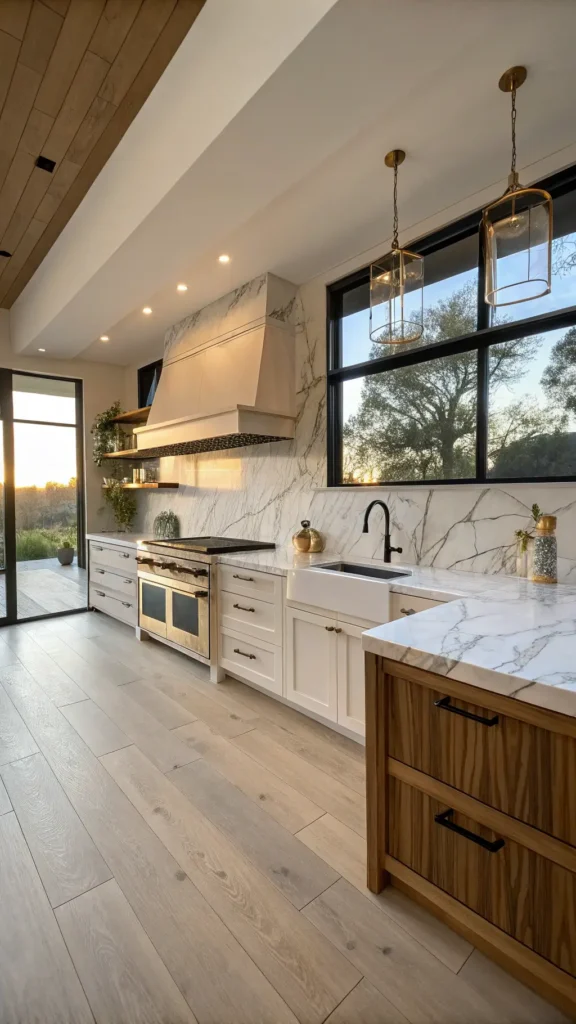
🖼 Steal This Look
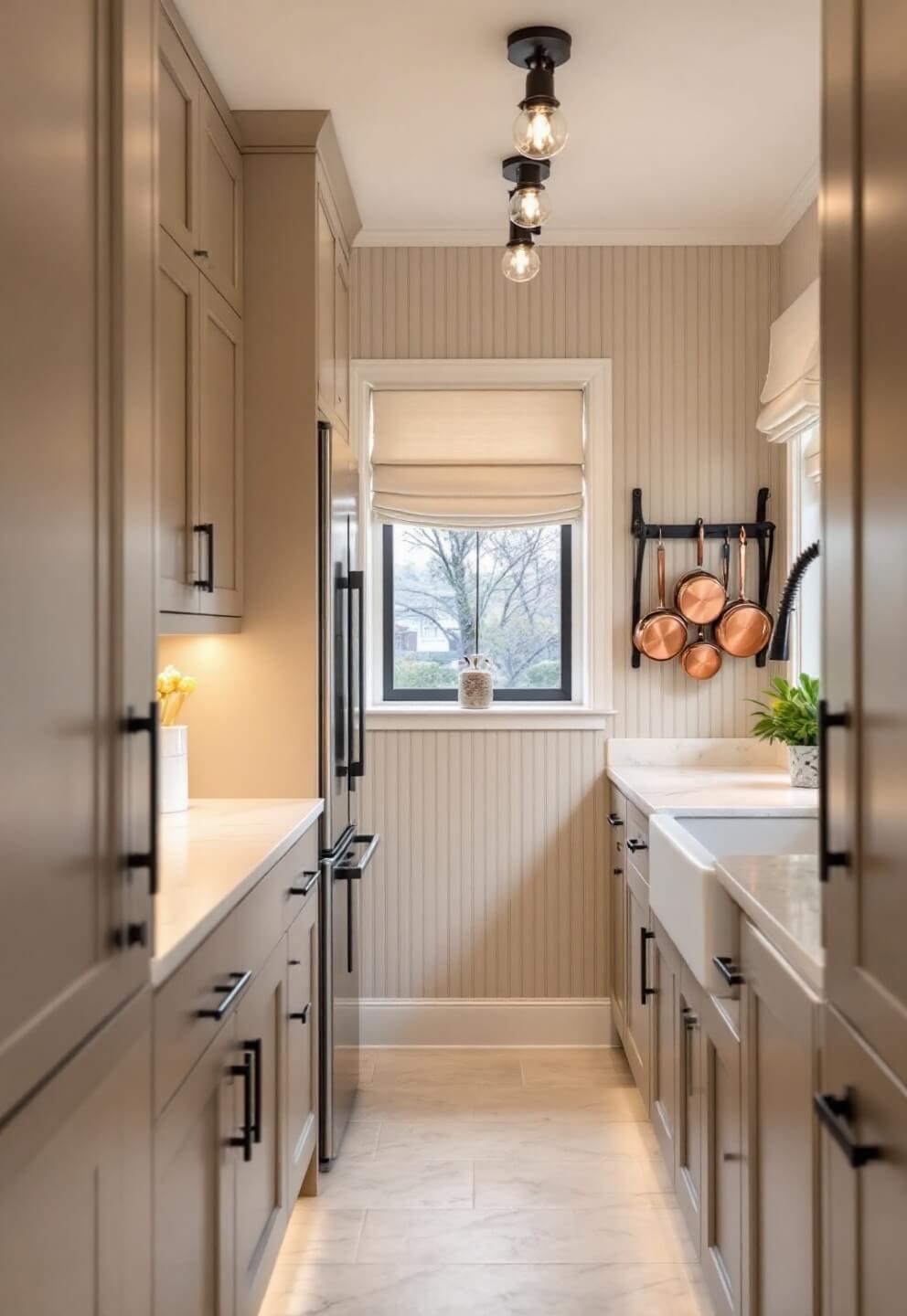
- Paint Color: Benjamin Moore Swiss Coffee OC-17
- Furniture: Light oak or whitewashed wood cabinetry with soft-close hinges; cream or ivory kitchen island with open shelving
- Lighting: Brushed brass or warm gold pendant lights over island; recessed warm white LED downlights (2700K color temperature)
- Materials: Soft texture linen cabinet pulls, natural stone countertops (limestone or light marble), warm-toned backsplash tile, matte or satin cabinet finishes
Beige kitchens work because they feel like a blank canvas that actually has personality—warm, grounded, and timeless without demanding attention. It’s the design equivalent of a perfectly broken-in linen shirt that looks expensive and effortless.
The Secret Sauce: Perfect Color Combinations
Trust me on these winning combinations I’ve tested countless times:
1. Beige + Crisp White
- Use white countertops against beige cabinets
- Add white pendant lights
- Install a white subway tile backsplash
2. Beige + Rich Brown
- Dark wooden floors
- Bronze hardware
- Walnut open shelving
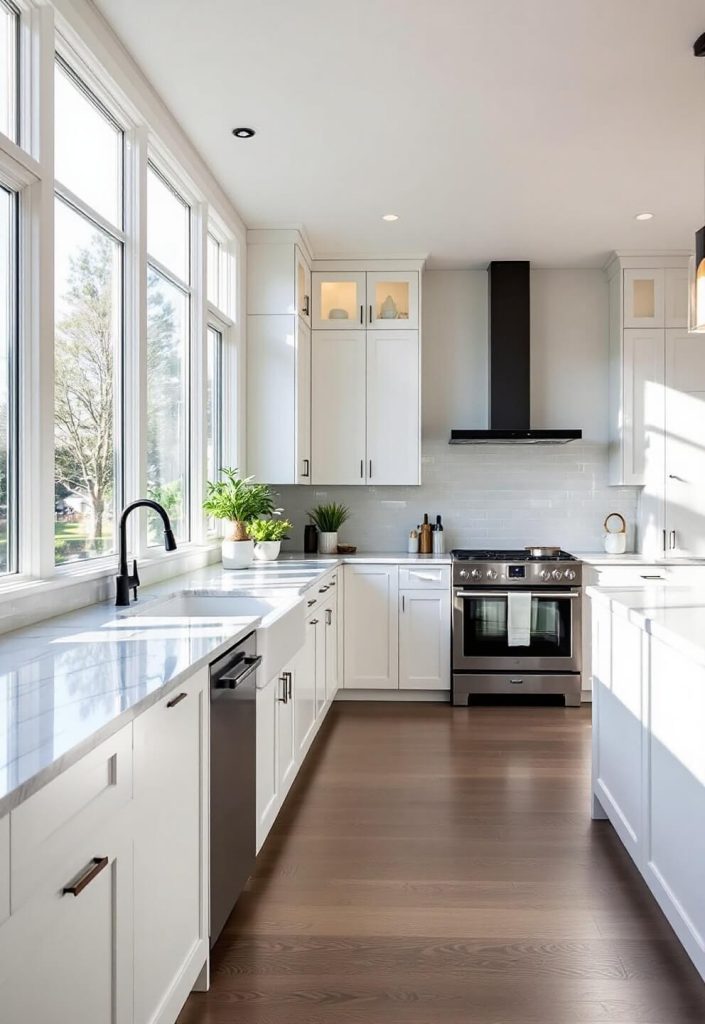
3. Beige + Black
- Matte black faucets
- Black window frames
- Dark granite countertops
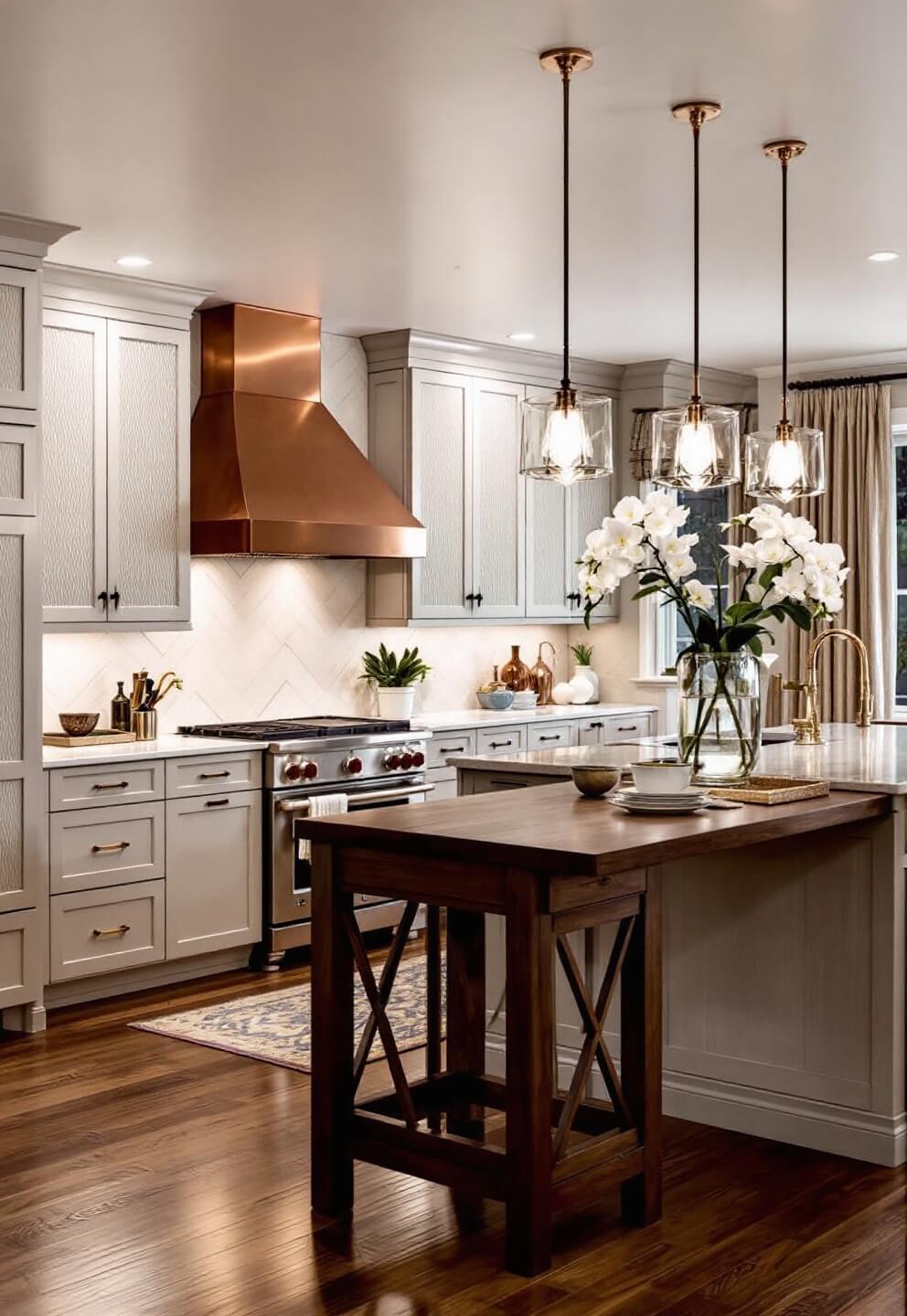
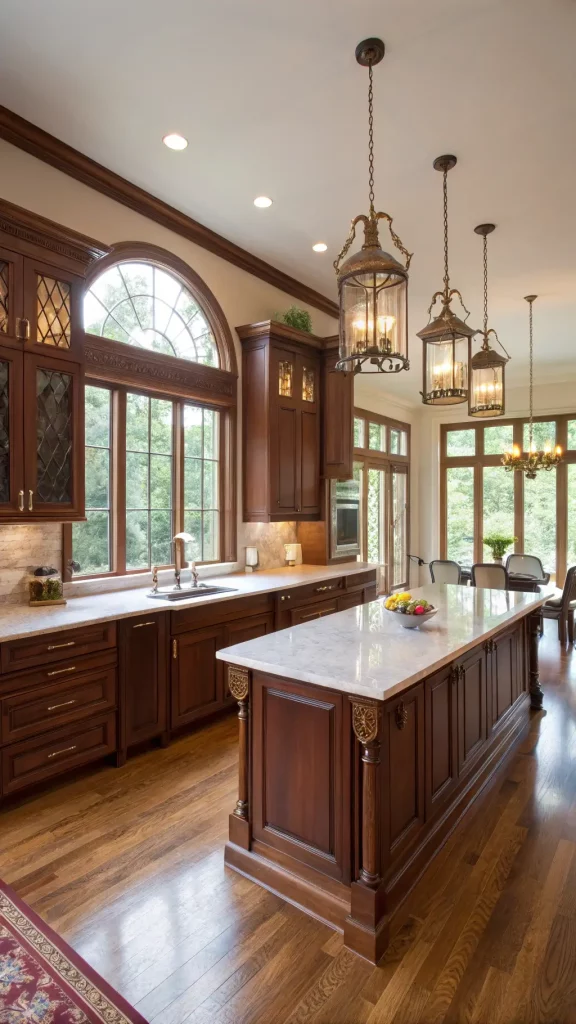
💡 Steal This Look
- Paint Color: Farrow & Ball Farrow’s Cream 67
- Furniture: Walnut open shelving, beige cabinetry with bronze hardware, kitchen island with dark wood base
- Lighting: White or bronze pendant lights suspended over kitchen island, recessed downlighting for even cabinet illumination
- Materials: White subway tile backsplash, dark granite or honed marble countertops, matte black faucet, bronze cabinet hardware, walnut wood shelving
These tested combinations work because they let beige be the hero rather than the wallflower—each pairing gives your neutral base a distinct personality, whether you prefer crisp minimalism, warm traditional elegance, or modern drama.
Texture Is Everything
Here’s how I add depth to beige kitchens:
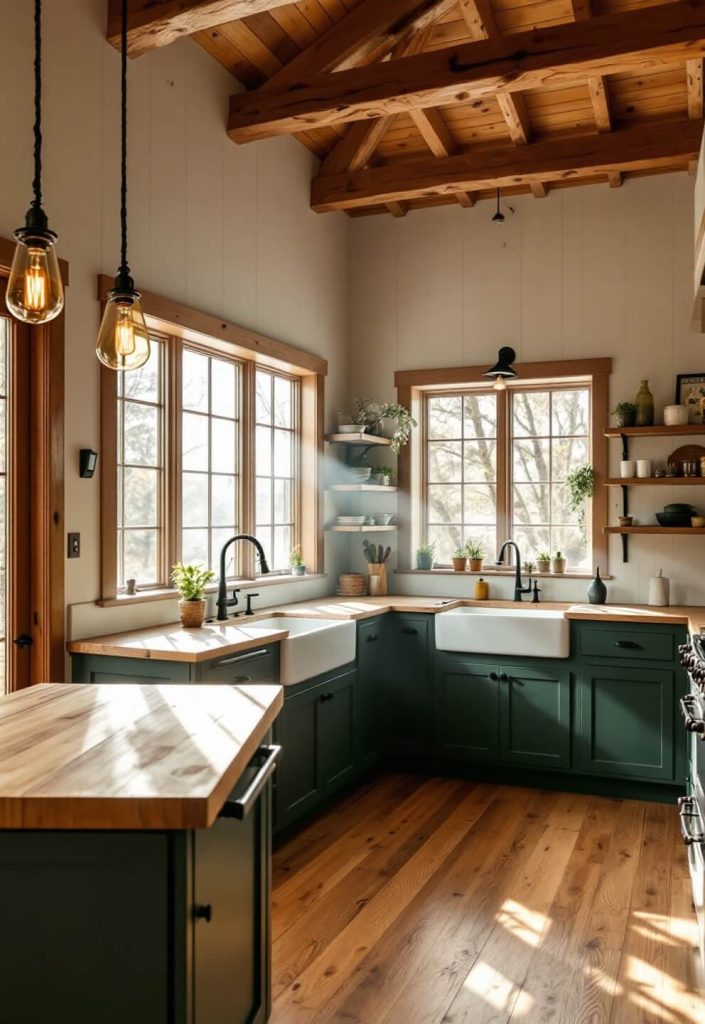
- Textured tile backsplashes
- Rough-hewn wooden beams
- Woven bar stools
- Dimensional cabinet fronts
- Natural stone countertops
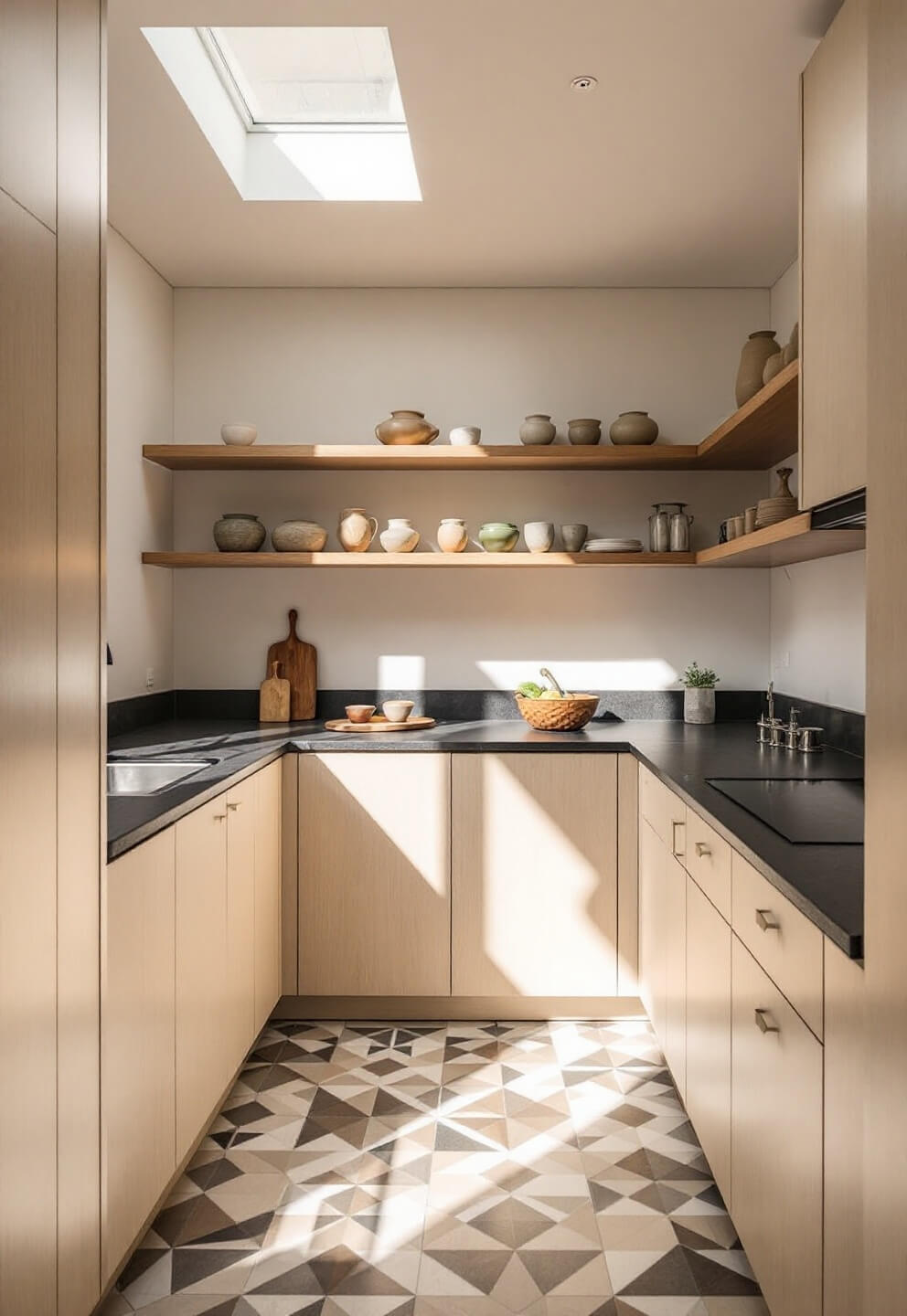
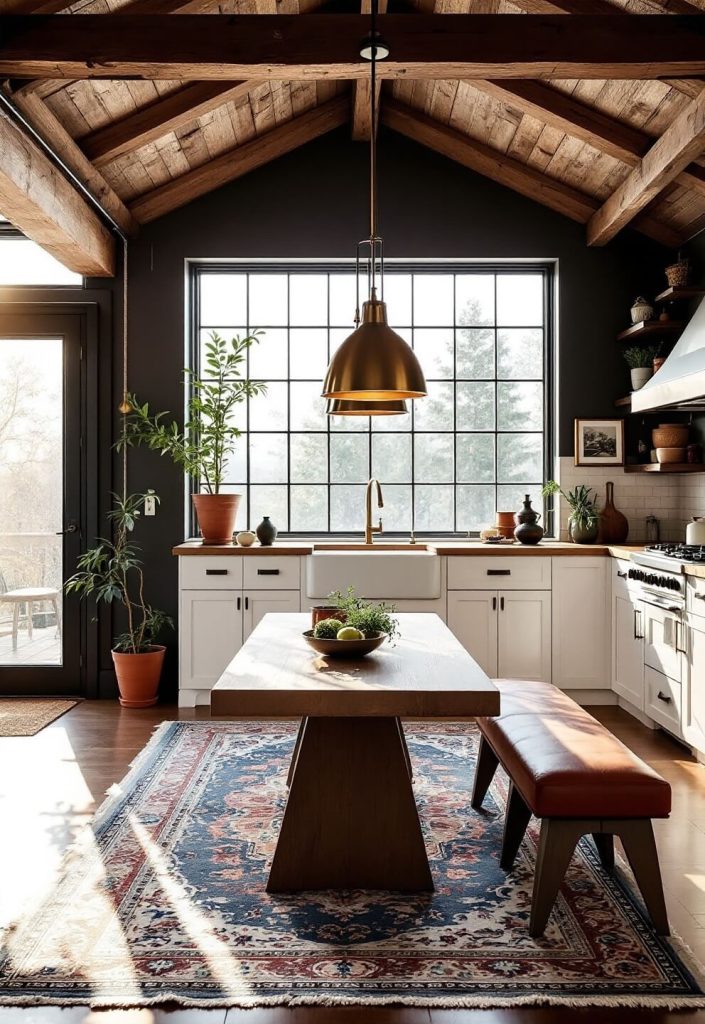
✎ Steal This Look
- Paint Color: Behr Wheat Bread N290-3
- Furniture: Woven rattan or wicker bar stools with natural wood frames; dimensional shaker-style or textured cabinet fronts in warm beige or cream
- Lighting: Pendant lights with textured glass or hammered metal shades to echo dimensional surfaces
- Materials: Textured ceramic or natural stone tile for backsplash; rough-hewn timber beams; woven natural fibers; honed or leathered stone countertops with visible veining
Beige kitchens thrive on tactile interest because color alone won’t anchor the space. When you introduce dimensional cabinet fronts, natural wood beams, and woven elements, you’re creating a kitchen people want to touch and spend time in—one that feels lived-in and grounded despite its neutral base.
Smart Styling Tips That Work Every Time
The magic is in the details:
- ✓ Mix metals (I love brass + matte black)
- ✓ Add living elements (plants, herbs)
- ✓ Layer different beige tones
- ✓ Include natural materials
- ✓ Play with pattern in neutral tones
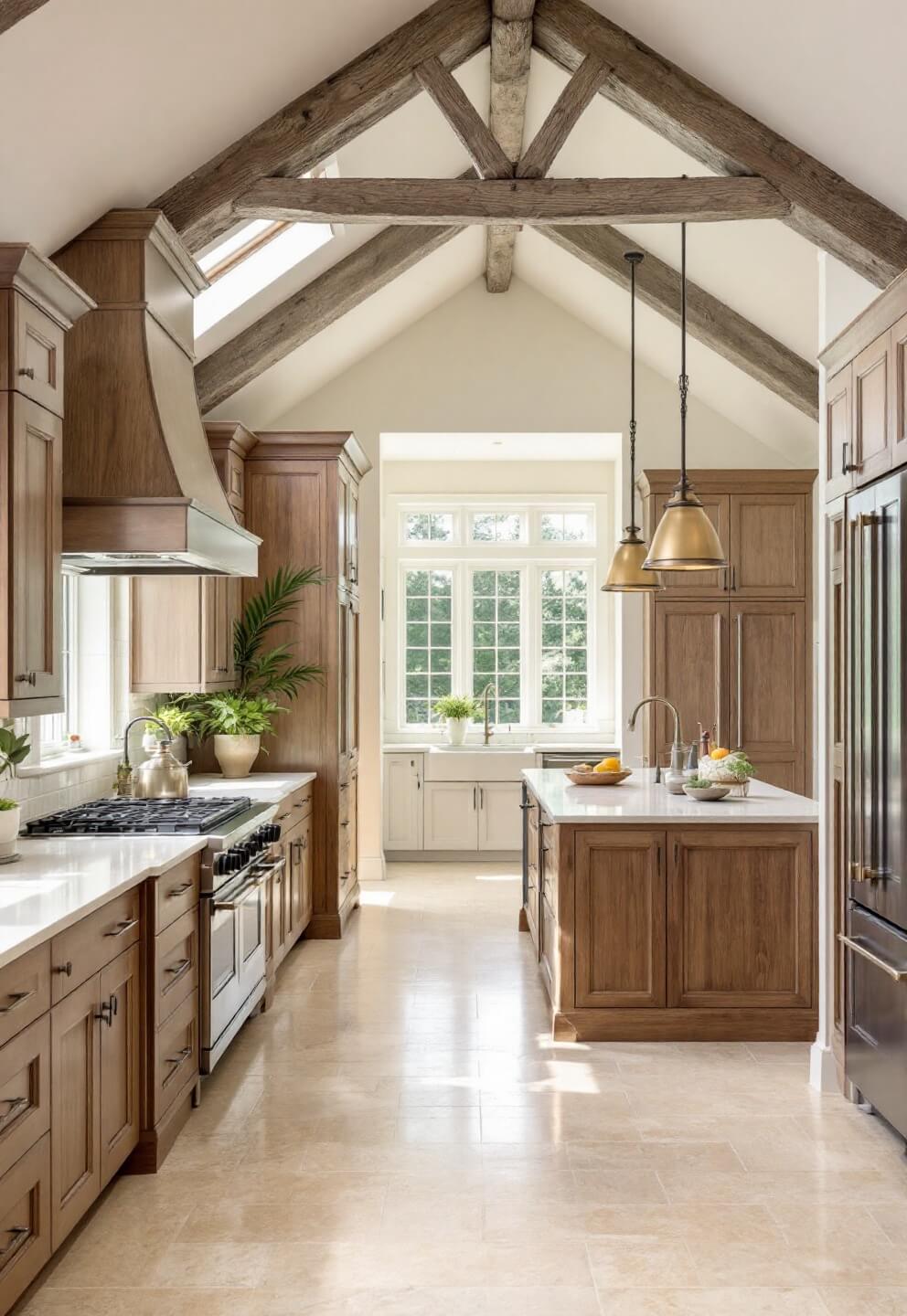
★ Steal This Look
- Paint Color: Valspar Crème Fraîche 7002-6 – a warm, sophisticated beige that serves as the perfect neutral base for layering multiple beige tones
- Furniture: Natural wood kitchen cabinetry with mixed metal hardware (brass pulls + matte black knobs) to create visual interest; a natural wood or light oak dining table
- Lighting: Mixed metal pendant lights combining brass and matte black finishes hung at varying heights over kitchen island or dining area
- Materials: Natural materials including reclaimed wood shelving, woven placemats, linen kitchen towels, terracotta planters, and natural fiber runner rug
A beige kitchen becomes a canvas for personality when you embrace layering and contrast. The styling trick here is that beige isn’t boring—it’s a sophisticated backdrop that actually highlights your carefully chosen metals, natural textures, and living elements.
Lighting Makes or Breaks It
My non-negotiable lighting rules:
- Under-cabinet lighting is essential
- Mix ambient and task lighting
- Use warm-toned bulbs (2700-3000K)
- Include statement pendant lights
- Consider natural light when choosing your beige shade
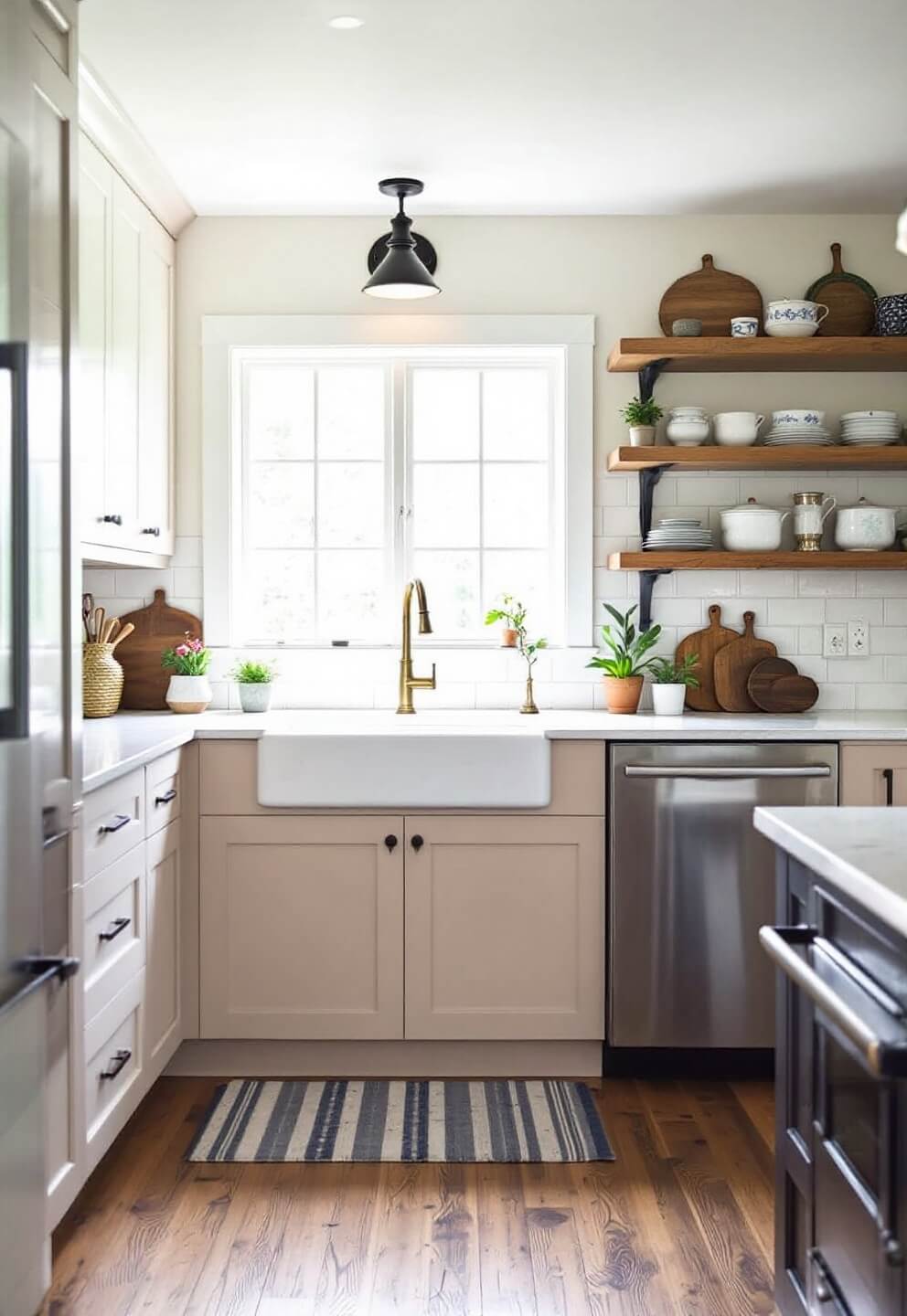
🌟 Steal This Look
- Paint Color: PPG Accessible Beige PPG1088-2 – a warm, versatile beige that responds beautifully to layered lighting without appearing washed out
- Furniture: Light oak or natural wood cabinetry with warm undertones; cream or off-white painted islands to anchor the space under pendant lighting
- Lighting: Brushed brass or warm bronze statement pendant lights (2-3 pendants, 10-12 inches diameter) over kitchen island paired with warm-white LED under-cabinet strips
- Materials: Matte or soft-sheen cabinet finishes to diffuse light; warm brass hardware; consider warm-toned quartz or butcher block countertops
Beige kitchens live or die by lighting strategy. The right warm, layered approach transforms your neutral palette into an inviting, sophisticated space rather than a bland, washed-out one.
Small Kitchen Solutions
Working with a tiny space? I’ve got you:
- Go light beige on upper cabinets
- Use glossy finishes to reflect light
- Keep hardware minimal
- Install vertical backsplash patterns
- Choose light-colored flooring
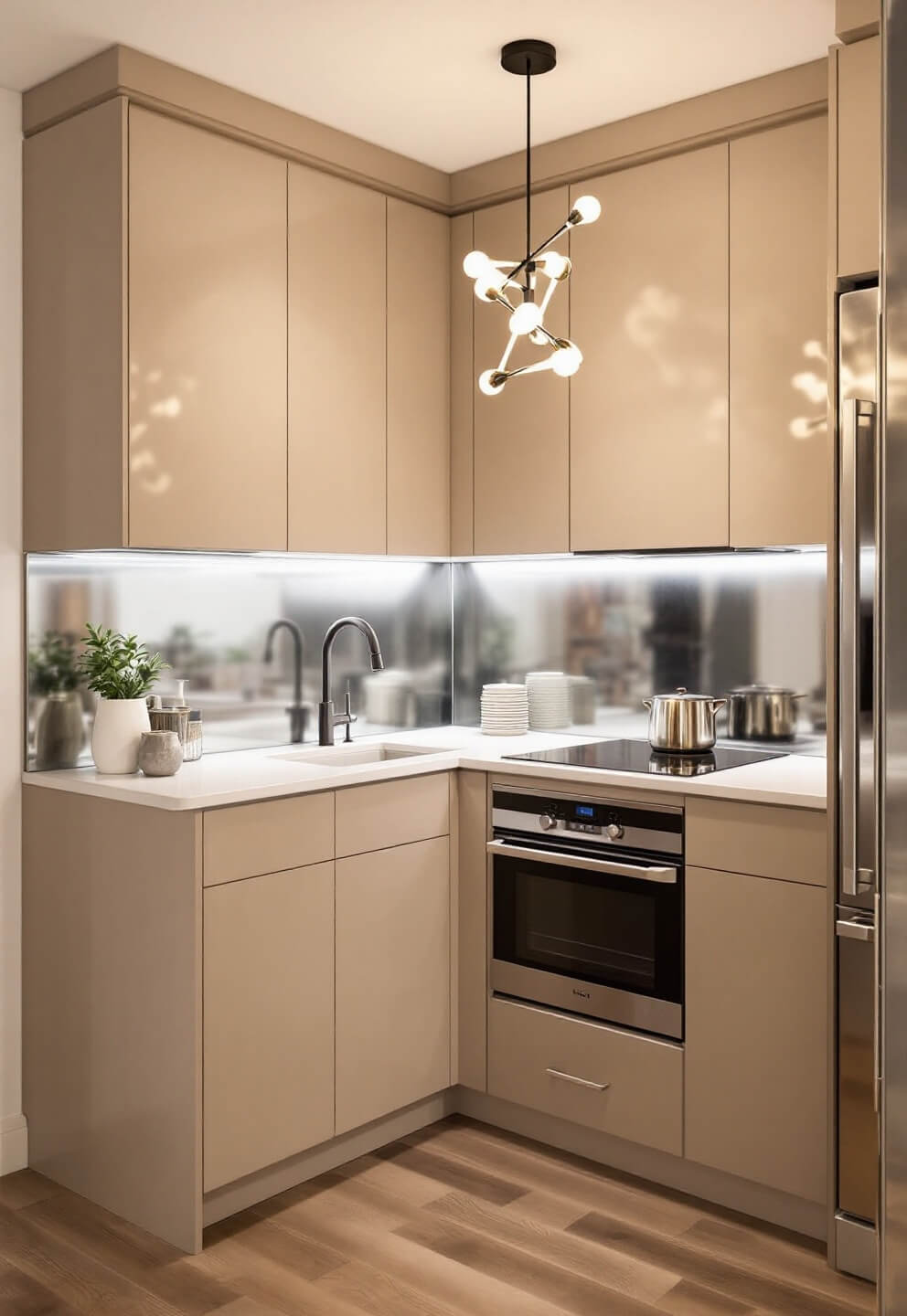
🎨 Steal This Look
- Paint Color: Dunn-Edwards Accessible Beige DE6129
- Furniture: Space-saving kitchen island with drop leaf or narrow bar seating, open shelving units instead of upper cabinets where possible, slim bar stools with backs
- Lighting: Recessed ceiling lights with LED bulbs for even illumination without taking up space, or sleek track lighting to highlight vertical backsplash
- Materials: High-gloss cabinet finish (semi-gloss or lacquer), light maple or whitewashed wood flooring, subway tile or linear vertical backsplash in cream or light gray grout, polished chrome or brushed nickel hardware
Small kitchens demand strategy over square footage. Light beige cabinets with glossy finishes create an airy, cohesive foundation that makes even 70 square feet feel intentional and open rather than cramped.
Common Mistakes to Avoid
Learn from others’ missteps:
- ❌ Using just one beige tone
- ❌ Forgetting about texture
- ❌ Skipping contrast elements
- ❌ Poor lighting placement
- ❌ Matching everything perfectly
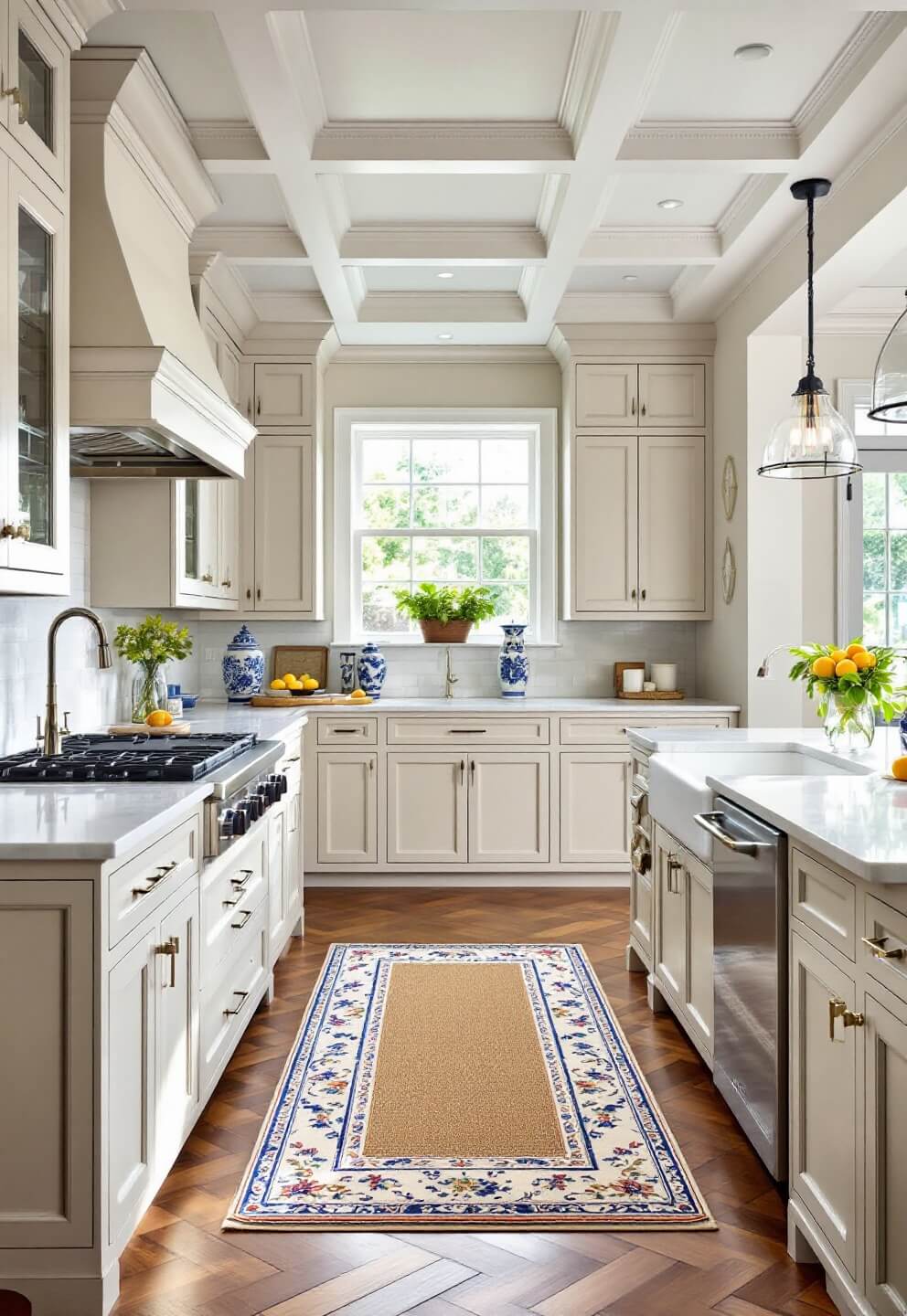
Remember: beige is your canvas, not your entire painting. It’s all about how you build upon this versatile foundation to create your perfect kitchen space.
Beige is calmest with a varied finish. Add one real texture and the room stops feeling flat.
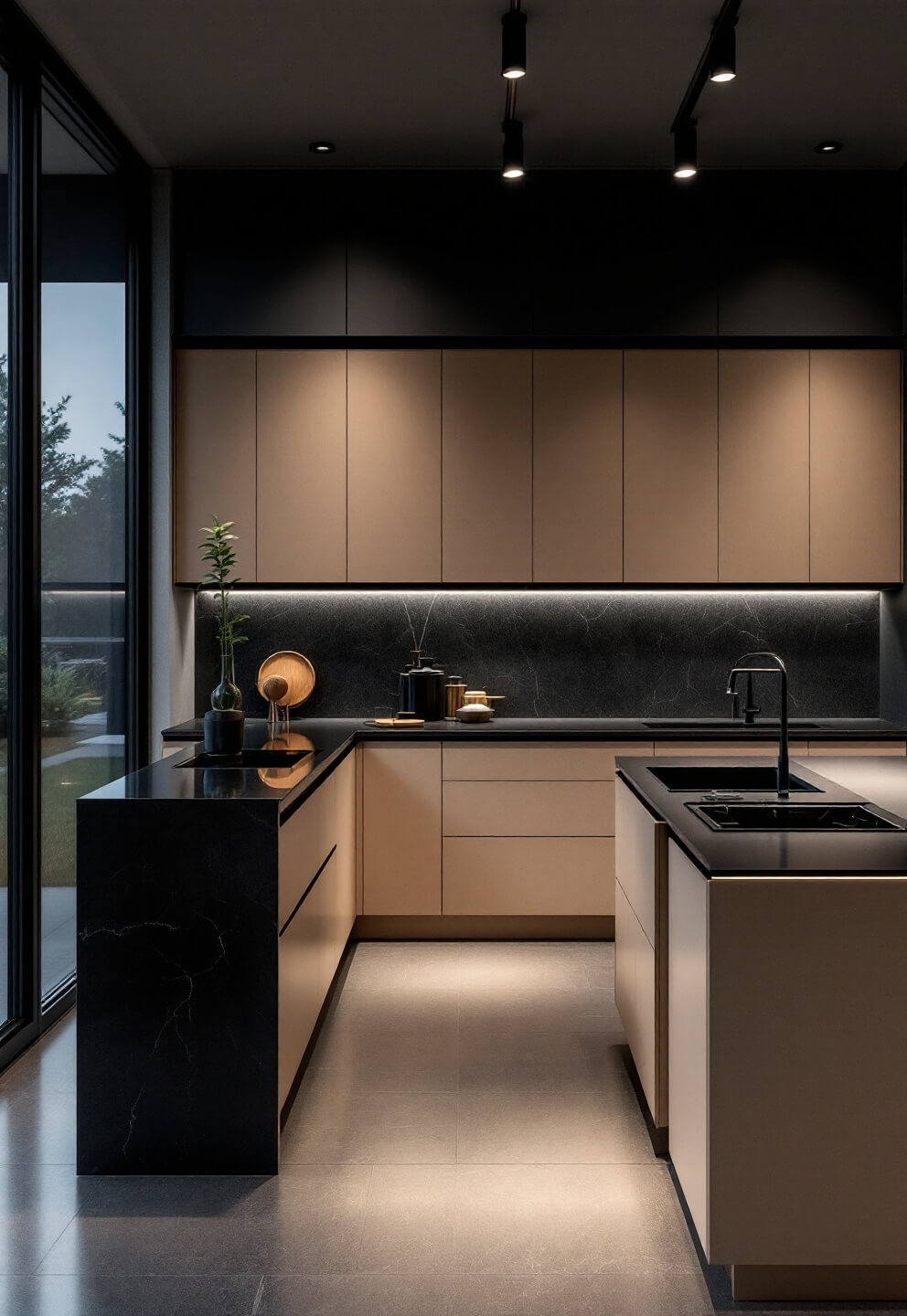
🎨 Steal This Look
- Paint Color: Clare Paint Accessible Beige CODE 90A. It’s a sophisticated warm neutral that avoids the flat, one-note beige trap by having subtle undertones that shift in different lighting—perfect for kitchens where natural and artificial light interact throughout the day
- Furniture: Mix wood cabinetry tones (warm honey oak paired with soft white or greige uppers) with a contrasting island in charcoal or deep navy. Add open shelving with textured ceramic pieces and warm brass hardware to break monotony
- Lighting: Layered kitchen lighting: warm brass or bronze pendant lights over the island (3000K color temperature), recessed ceiling lights, and under-cabinet task lighting in warm white. Avoid single overhead fixtures that flatten beige
- Materials: Combine matte and glossy finishes—beige cabinetry with satin hardware, natural stone or textured tile backsplash (subway tile, shiplap, or patterned cement tile in warm/cool tones), and warm wood countertops or concrete
Beige kitchens are incredibly forgiving canvases, but they require deliberate layering to feel curated rather than accidental. The most successful beige kitchens treat the neutral as a backdrop, then build depth through contrasting elements—darker cabinetry, jewel-tone accents, or architectural texture.