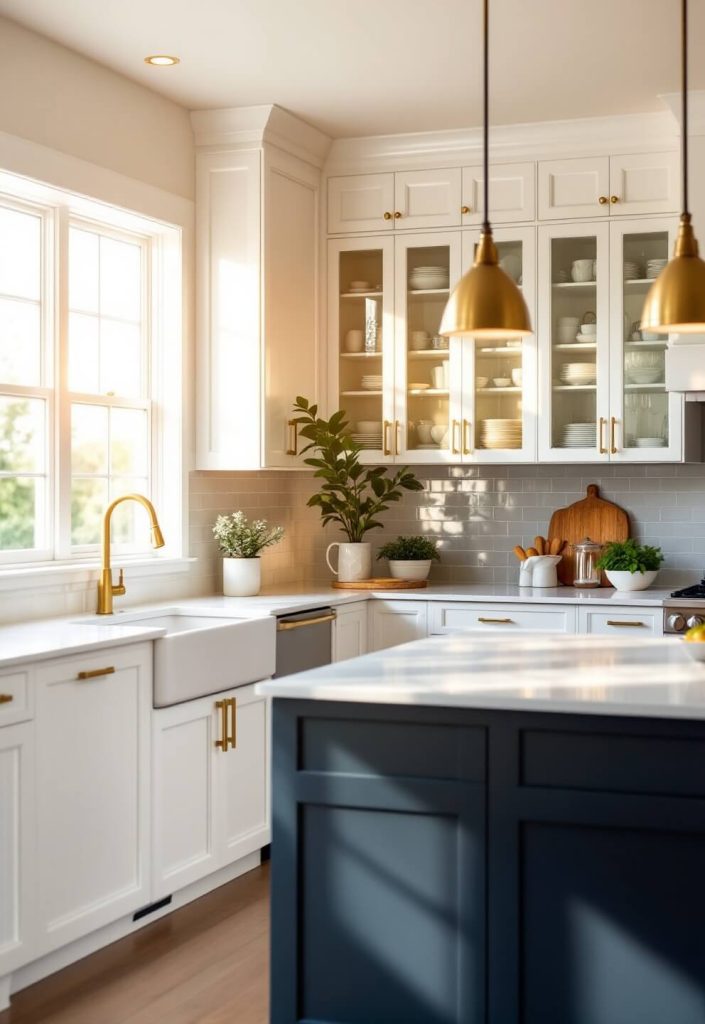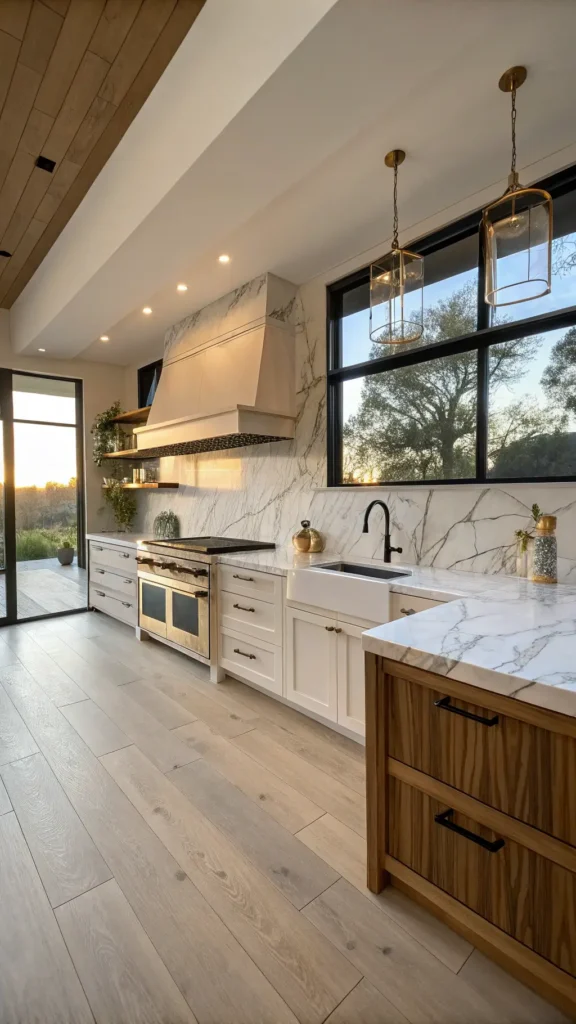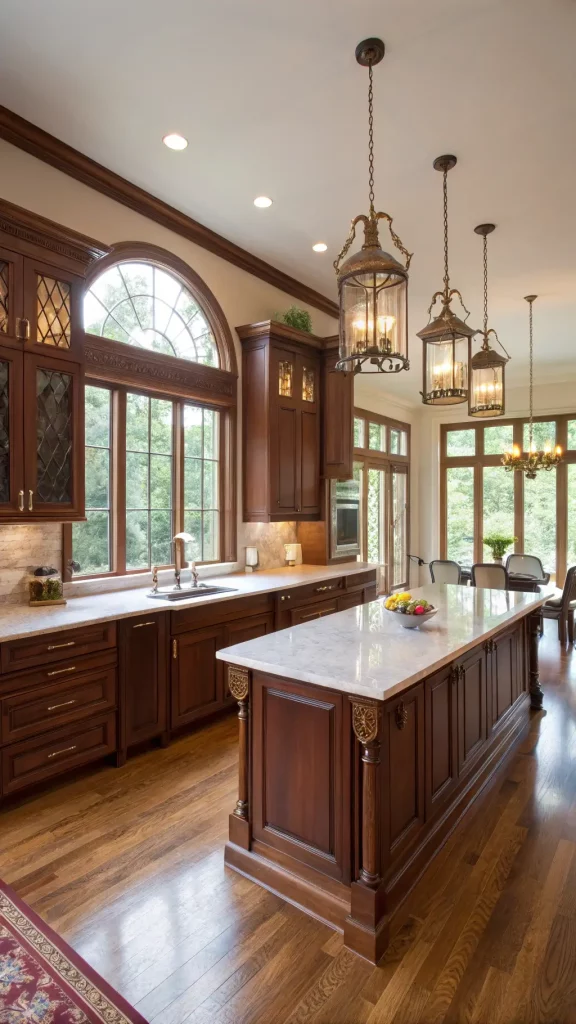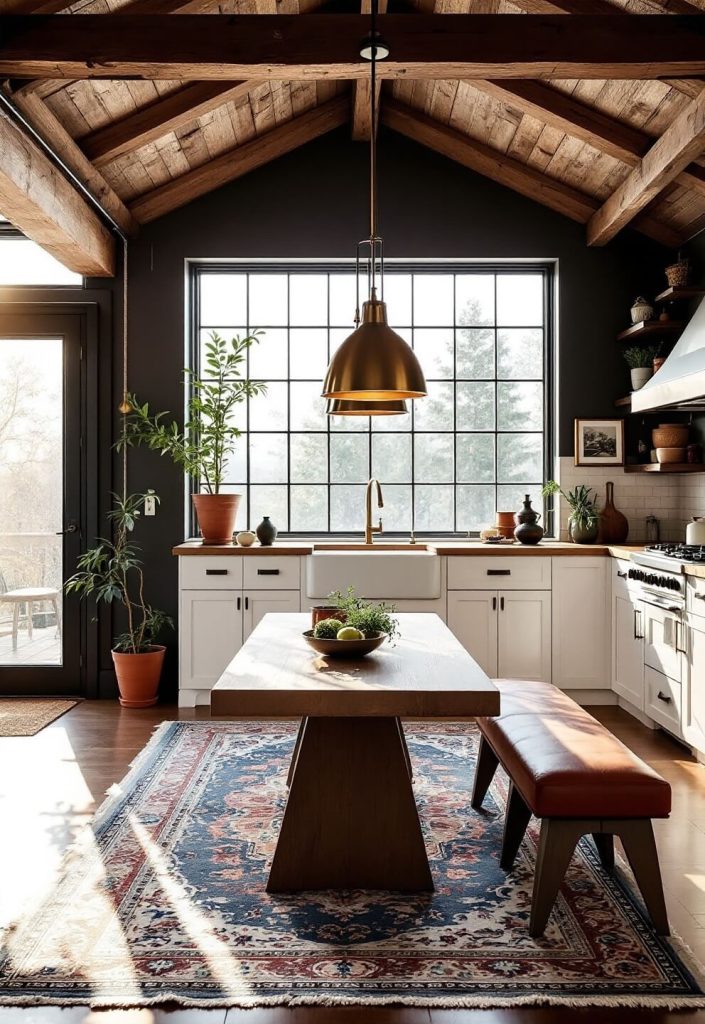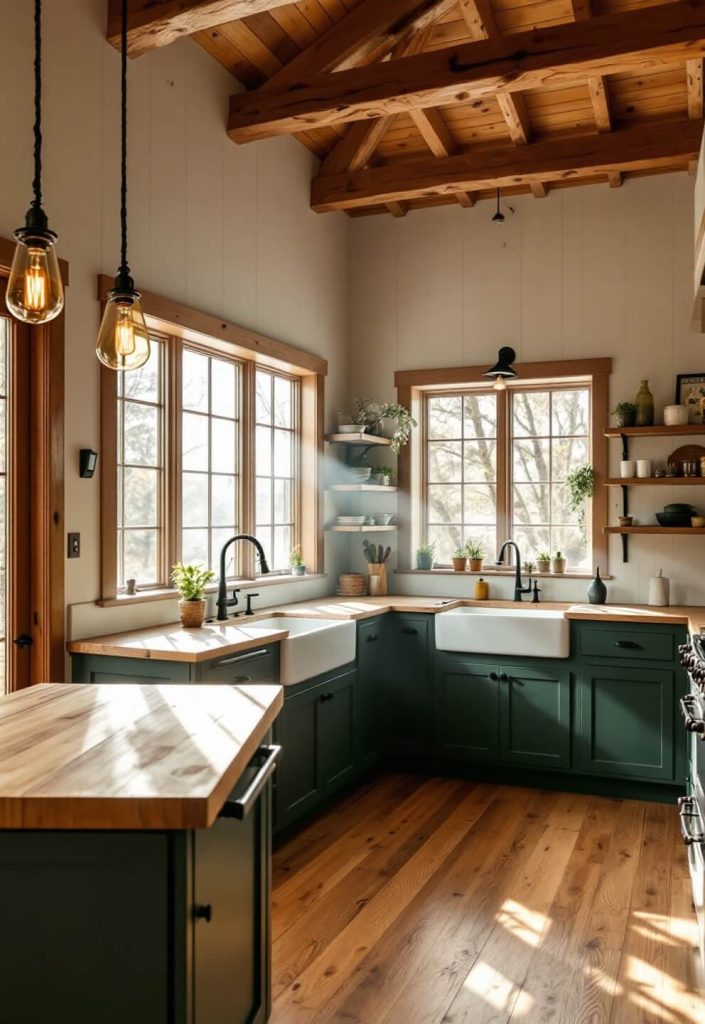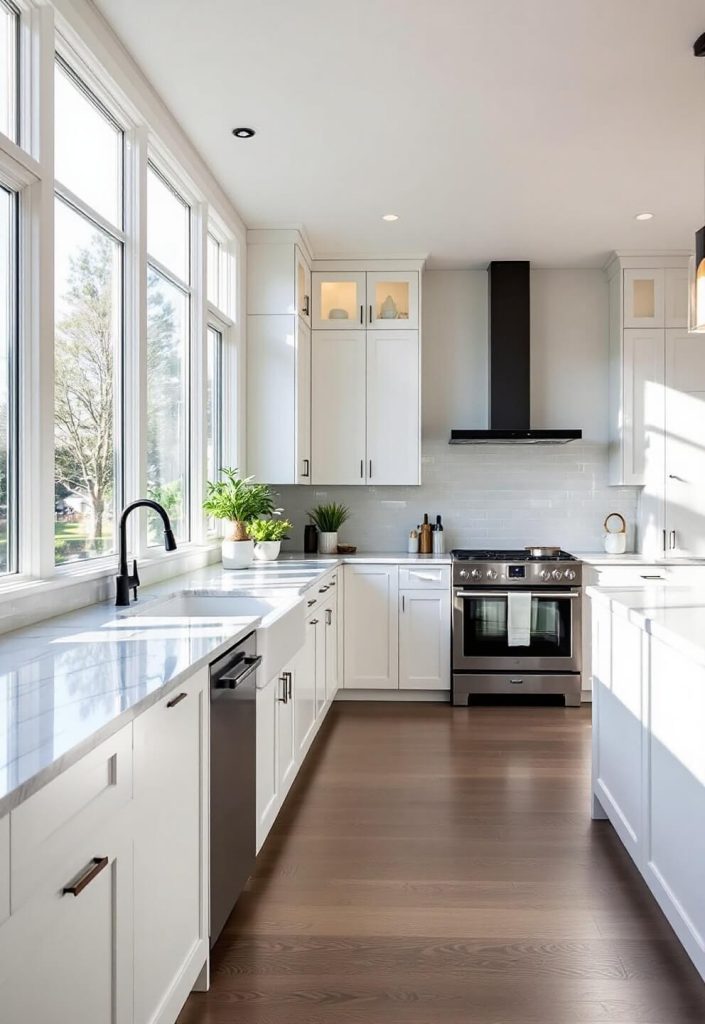
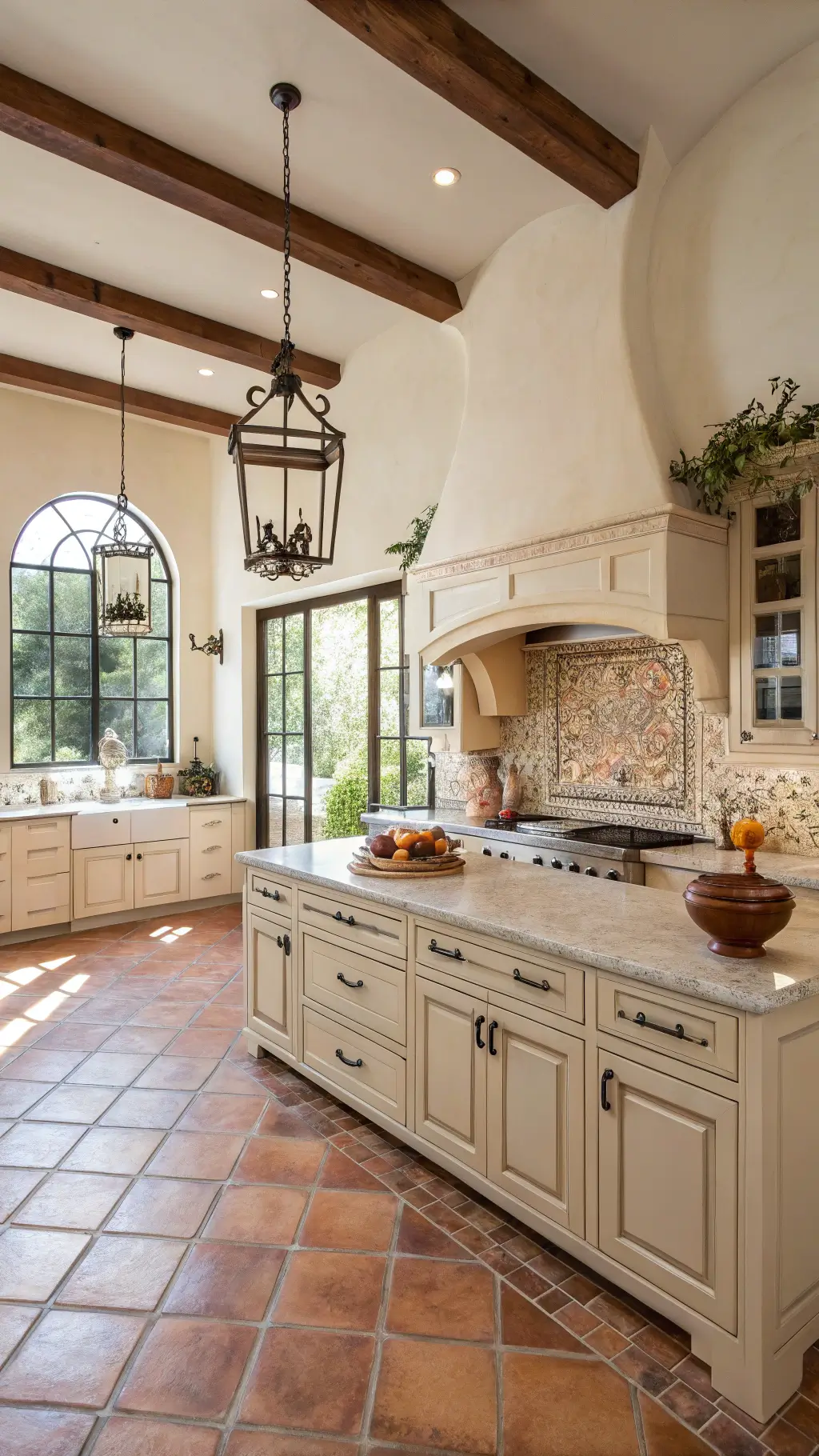
Alabaster cabinets set the tone for the whole kitchen, so the shade and finish decide everything. I read the color in the room’s actual light before committing, because the same tone shifts from morning to evening.
Imagine a color that’s not quite pure white, not quite beige – a magical neutral that makes your kitchen feel simultaneously crisp and warm. That’s Alabaster in a nutshell.
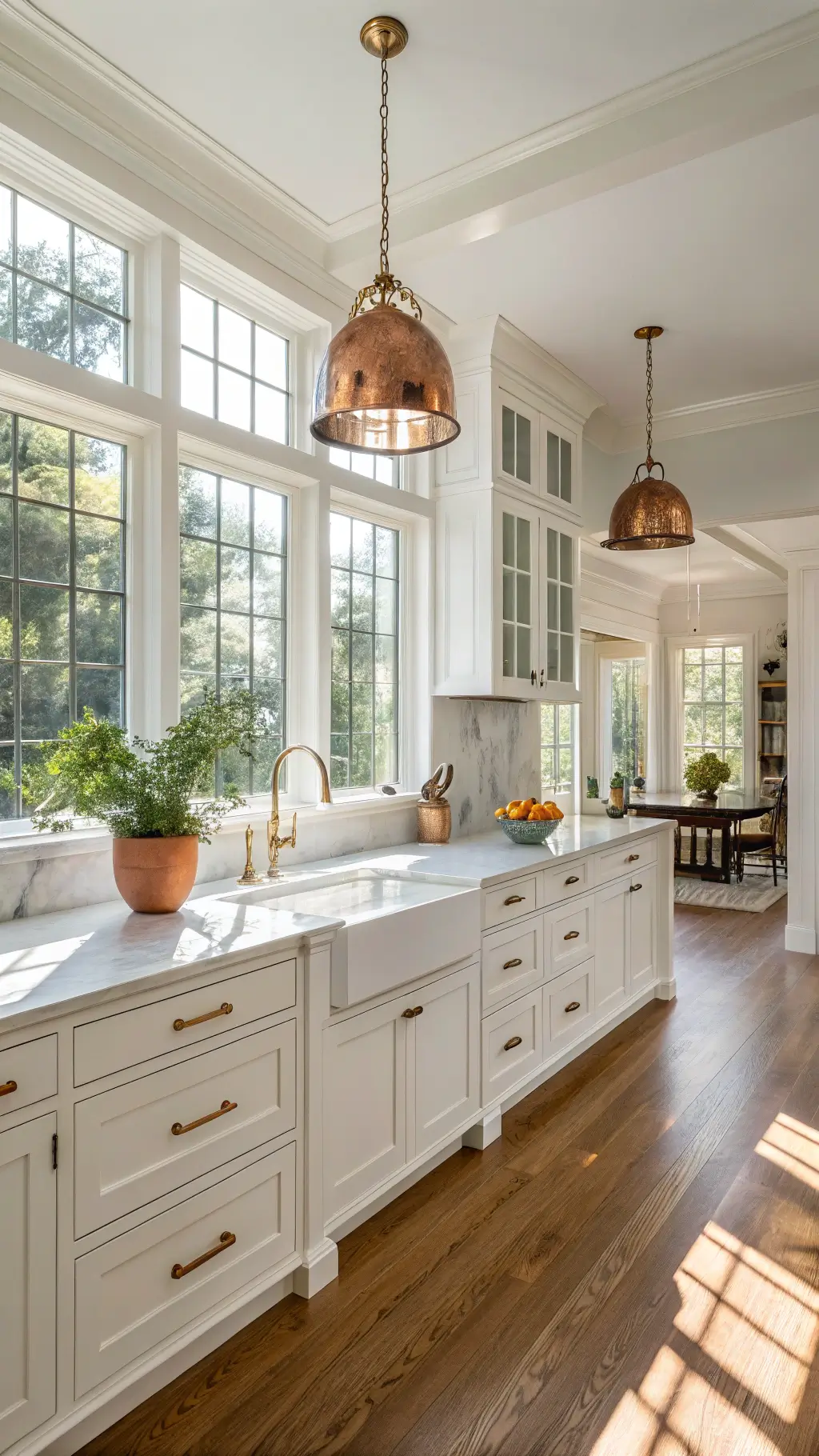
The Color Science Behind Alabaster
Key Color Characteristics:
- Soft, creamy white with subtle warmth
- High light reflectance value (LRV 82)
- Creates an instant sense of brightness and space
🌟 Steal This Look
- Paint Color: Sherwin-Williams Alabaster SW 7008
- Furniture: Light oak or natural wood kitchen cabinetry with clean-lined shaker or transitional door styles; white or cream kitchen islands with subtle grain texture
- Lighting: Recessed ceiling lights with warm white 2700K-3000K temperature; pendant lights with brushed nickel or warm brass fixtures over kitchen island
- Materials: Soft matte or satin finishes on cabinet paint; marble or quartz countertops in white, soft gray, or warm cream; natural wood flooring or light tile; stainless steel appliances
Alabaster has become the designer’s secret weapon because it photographs beautifully in natural light while feeling inviting and lived-in rather than sterile. If your kitchen gets mixed natural and artificial light throughout the day, Alabaster delivers that rare quality of looking intentionally curated without feeling like a show home.
Design Versatility: From Farmhouse to Modern Minimalism
Alabaster isn’t just a color; it’s a design chameleon. Whether you’re dreaming of a cozy farmhouse kitchen or a sleek modern space, these cabinets have got your back.
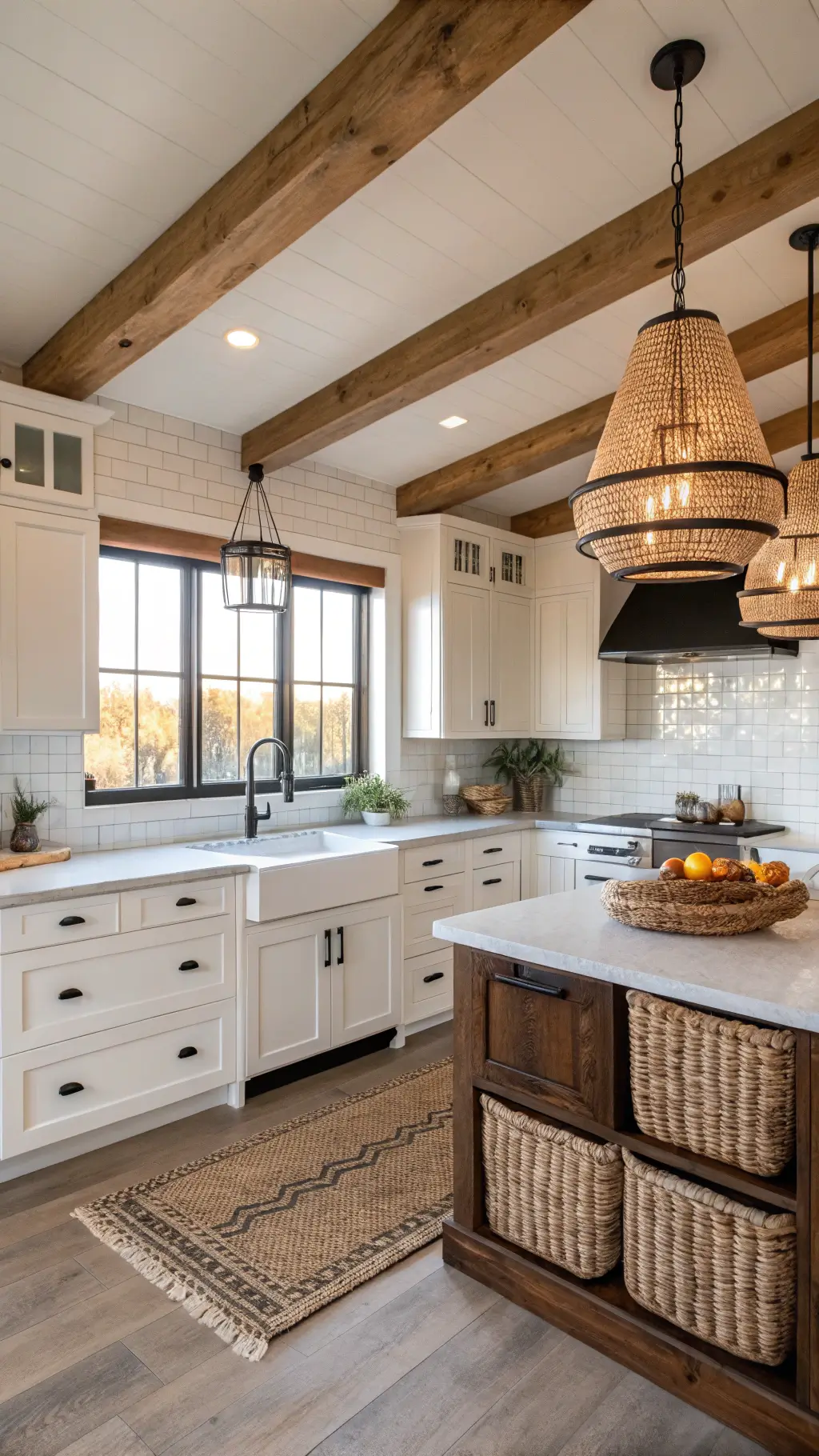
Style Compatibility Breakdown
- Modern Minimalist: Clean lines, subtle warmth
- Traditional: Elegant, timeless appeal
- Farmhouse: Soft, welcoming aesthetic
- Coastal: Bright, airy feel
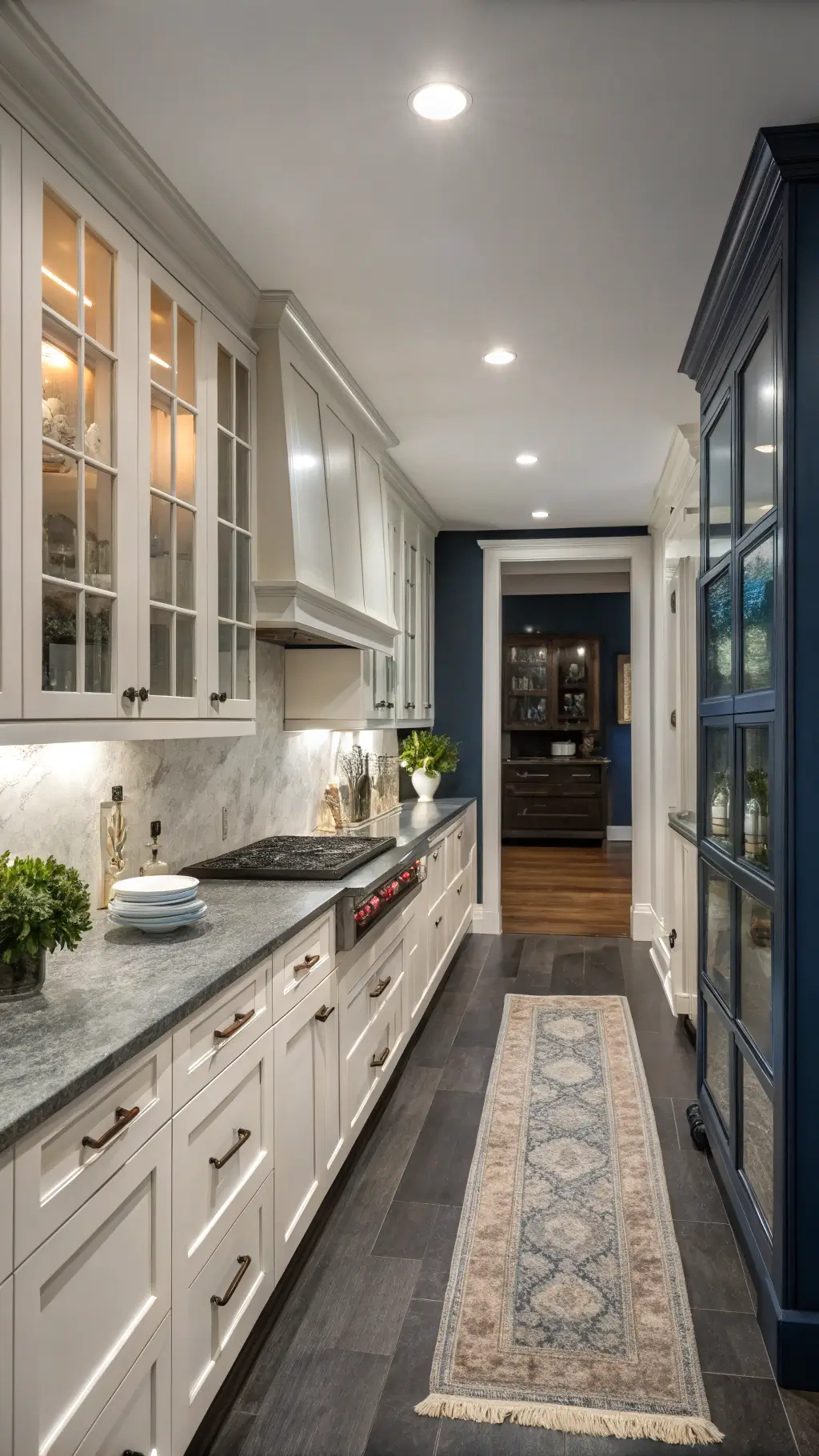
🌟 Steal This Look
- Paint Color: Benjamin Moore Alabaster OC-17
- Furniture: For farmhouse: reclaimed wood kitchen island with turned legs and open shelving. For modern minimalist: handleless cabinetry with integrated appliances and waterfall quartz countertops. For coastal: light natural wood open shelving with woven baskets and chrome hardware.
- Lighting: Farmhouse: vintage Edison bulb pendant lights or black wrought iron fixtures. Modern minimalist: track lighting or recessed LED panels with dimming capability. Coastal: brass or brushed nickel pendant lights with frosted glass shades.
- Materials: Alabaster cabinet doors (matte or soft-sheen finish), white subway tile or shiplap backsplash, natural wood or light quartz countertops, soft-close cabinet hinges, brushed nickel or warm brass hardware
Alabaster kitchens work because they’re inherently calming and adaptable—they feel equally at home in a rustic cottage or a contemporary loft. This versatility makes them a smart long-term investment that won’t feel dated as your style evolves.
Color Pairing: Your Ultimate Cheat Sheet
Forget color matching anxiety. Alabaster plays nicely with almost everything:
Perfect Palette Partners:
- Soft neutrals: Mindful Gray, Anew Gray
- Wood tones: Light to medium finishes
- Accent colors: Navy, charcoal, muted blues
- Natural stones: Marble, granite with soft undertones
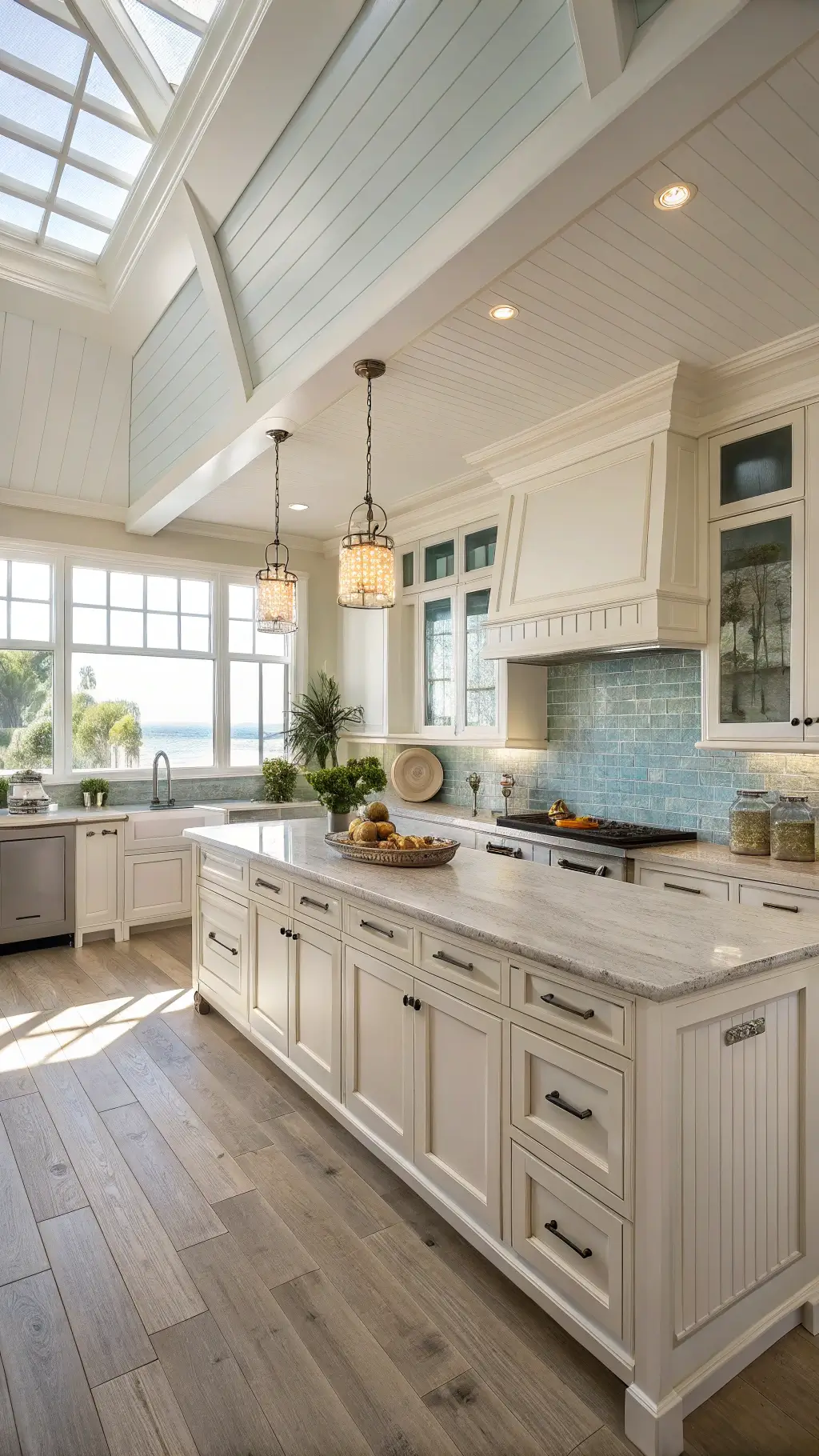
✎ Steal This Look
- Paint Color: Farrow & Ball Pointing 2003 – a soft, warm white that complements alabaster cabinetry without competing
- Furniture: Light to medium wood dining table or kitchen island with clean lines; soft gray upholstered bar stools
- Lighting: Brushed nickel or matte black pendant lights with frosted or opal glass shades to balance alabaster’s brightness
- Materials: Marble or granite countertops with subtle gray veining, matte finish hardware in charcoal or brushed bronze, soft linen window treatments
Alabaster’s chameleon quality makes it the confident choice for kitchens that need to work with existing elements. This neutrality is your design superpower, letting you layer in personality through grays, blues, and natural textures without fear of clashing.
Pro Styling Tips: Making Alabaster Shine
Hardware Magic
- Nickel fixtures: Crisp and clean
- Matte black: Modern edge
- Pewter: Subtle sophistication
Lighting Matters
- Natural light is your best friend
- Use warm-toned bulbs to enhance Alabaster’s creamy undertones
- Layer lighting for depth and dimension
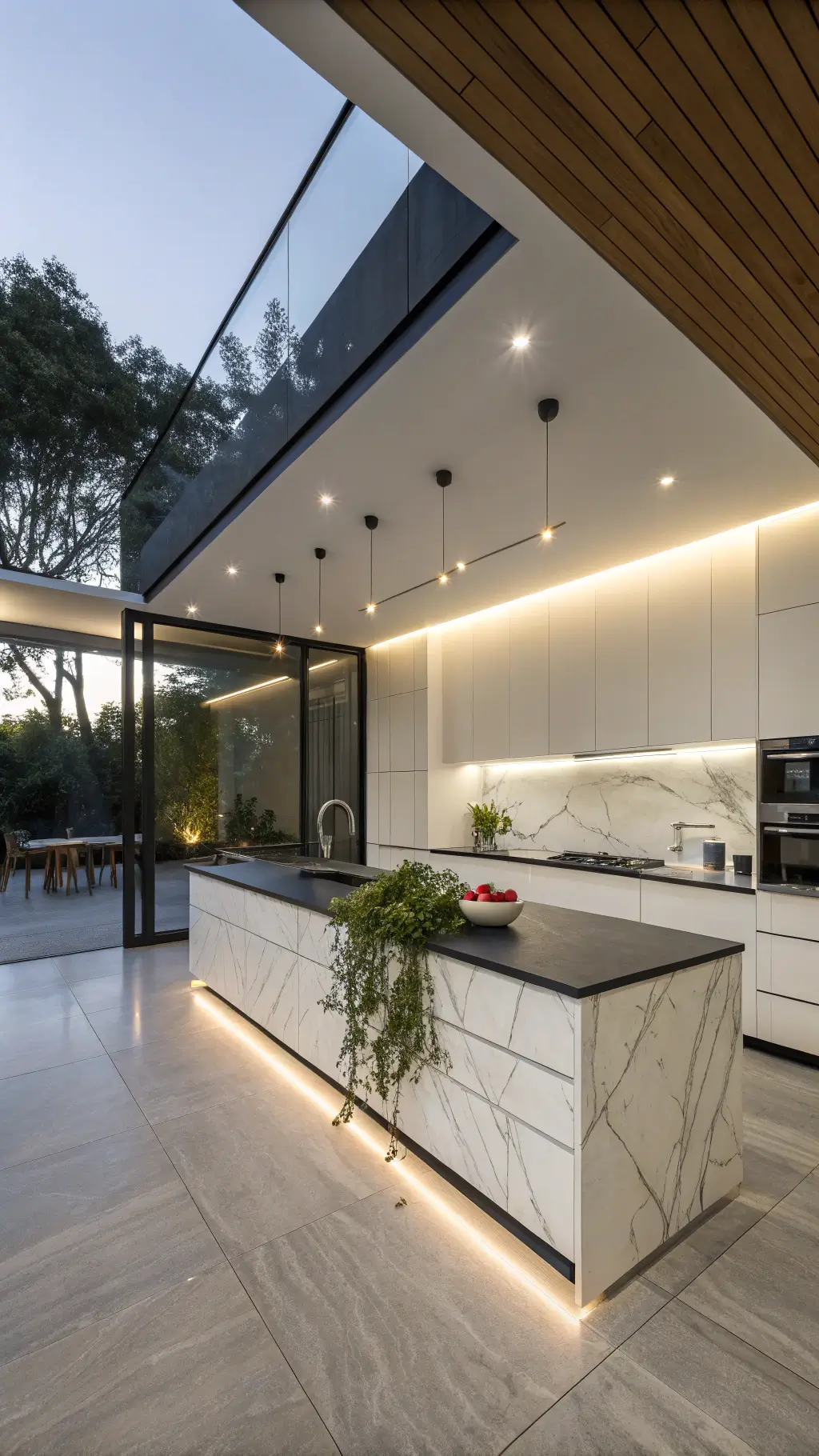
🎨 Steal This Look
- Paint Color: Sherwin-Williams Alabaster SW 7008
- Furniture: Clean-lined kitchen cabinetry with flat-front or shaker doors in crisp white finish; pair with light wood or white countertops to avoid visual monotony
- Lighting: Pendant lights with brushed nickel or matte black fixtures; recessed ceiling lights paired with under-cabinet warm LED strips (2700K color temperature)
- Materials: Matte nickel hardware, brushed metal accents, marble or quartz countertops, natural wood open shelving, soft white subway tile or concrete backsplash
Alabaster kitchens are all about understated elegance, and the hardware and lighting you choose either amplify that sophistication or undercut it. When you nail the metallic finishes and warm lighting, alabaster stops being just white—it becomes a warm, refined backdrop that lets your ingredients, cookware, and daily life shine.
Common Pitfalls to Avoid
Warning: Design Danger Zones
- Avoid cool-toned lighting that can make Alabaster look dingy
- Don’t choose hardware that clashes with the subtle warmth
- Balance is key – too much white can feel sterile
🖼 Steal This Look
- Paint Color: Valspar Alabaster 7005-6 — the warm white base that pairs with proper lighting to avoid looking dingy
- Furniture: Warm-toned kitchen cabinetry with soft maple or natural oak finishes to complement Alabaster’s subtle warmth without competing
- Lighting: Warm white LED pendant lights (2700K color temperature) over island or sink to enhance Alabaster’s creamy undertones rather than cool fluorescent fixtures
- Materials: Warm brass or brushed gold hardware; natural wood accents; cream or warm beige countertops like marble or butcher block to break up white and add depth
Alabaster kitchens are inherently elegant, but their success hinges on fighting the temptation to treat them as blank slates. The subtle warmth in this finish demands intentional lighting and hardware choices that celebrate rather than neutralize its creamy character.
Budget-Friendly Transformation Options
Cost-Effective Strategies
- DIY painting: Moderate difficulty, high impact
- Selective replacement: Update key cabinet areas
- Hardware swap: Instant refresh without major renovation
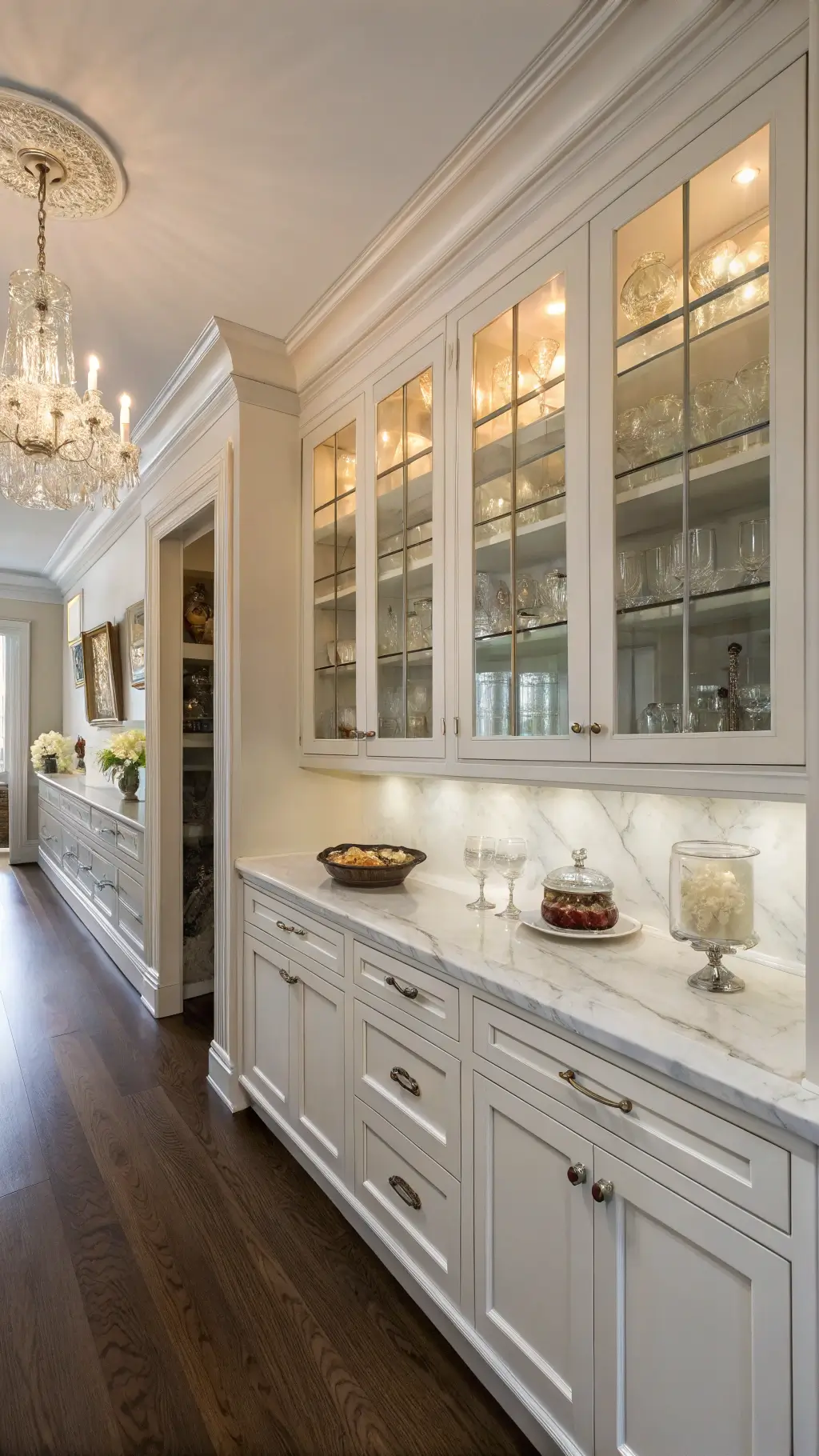
🖼 Steal This Look
- Paint Color: PPG Alabaster 2000-70 — crisp white base for kitchen cabinets that reads clean and timeless
- Furniture: Open shelving units or kitchen island with butcher block top to replace outdated cabinetry selectively
- Lighting: Under-cabinet LED strip lights (warm white 3000K) to highlight cabinet transformation and improve task lighting
- Materials: Matte cabinet paint finish, brushed nickel hardware, quality bristle brushes for DIY application
A DIY cabinet paint project on alabaster white transforms your kitchen faster than you’d expect, and budget-conscious homeowners often discover the satisfaction of doing it themselves outweighs the cost savings.
Technical Tips for the Detail-Oriented
Photography & Marketing Tricks:
- Use high-resolution images
- Capture in natural daylight
- Create vertical, Pinterest-friendly shots
- Use descriptive keywords like “creamy white kitchen”
🏠 Steal This Look
- Paint Color: Dunn-Edwards Alabaster DE 6253
- Furniture: Not applicable – photography/marketing section
- Lighting: Natural daylight supplemented with soft diffused LED panels (5000K color temperature) for consistent kitchen photography
- Materials: White or neutral seamless backdrops, matte surfaces to reduce glare in product photography
Alabaster cabinets demand meticulous photography because their subtle sophistication lives in nuance—proper lighting and composition reveal the depth that makes them worth choosing over stark white. Getting the technical details right transforms casual kitchen shots into inspiration-worthy content that actually drives purchase decisions.
Style Variations to Inspire You
- Modern Farmhouse
- Open shelving
- Matte black hardware
- Natural wood accents
- Coastal Retreat
- Blue-gray accessories
- Light wood elements
- Airy, relaxed vibe
- Classic Elegance
- Glass-front doors
- Decorative moldings
- Pewter or nickel hardware
Final Thoughts: Why Alabaster?
Alabaster kitchen cabinets aren’t just a trend – they’re a timeless design solution. They brighten spaces, create warmth, and provide a perfect backdrop for your personal style.
Pro Tip: Treat your Alabaster cabinets like a blank canvas. They’re the ultimate design chameleon, ready to adapt to your unique vision.
Alabaster cabinets feel right when the finish and light agree. Choose the shade for the room you have and the wood does the rest.